
In today’s rapidly evolving business landscape, small business owners face an array of challenges that require structured solutions for sustainable growth. Understanding how to build predictable revenue streams while maintaining operational efficiencies is crucial for long-term success. This article outlines various strategies that small businesses can implement to achieve these objectives, ranging from effective sales leadership and workforce management to financial planning and risk mitigation. These approaches not only fortify businesses against potential disruptions but also enhance their market presence and operational resilience. Each operational component plays a pivotal role in building a robust business foundation. Join us as we delve into actionable insights that every small business owner can utilize to steer their venture toward stability and growth.
Too often, entrepreneurs focus almost exclusively on increasing sales while overlooking the systems that support those sales. Growth without infrastructure can create cash flow strain, employee burnout, compliance issues, and inconsistent customer experiences. Stability, on the other hand, comes from designing repeatable processes, setting measurable benchmarks, and proactively planning for both expansion and setbacks. Sustainable businesses are intentional about how they hire, how they track money, how they maintain their facilities, and how they protect their assets.
This means shifting from reactive decision-making to strategic operational planning. Instead of solving problems only when they arise, stable companies conduct routine reviews, build contingency plans, and develop strong vendor relationships before they are urgently needed. They understand their numbers, document their procedures, and regularly evaluate risks. By creating a structured operational backbone early, business owners reduce uncertainty, improve efficiency, and position themselves to scale confidently. The goal is not simply to grow—but to grow in a way that is controlled, measurable, and resilient over time.
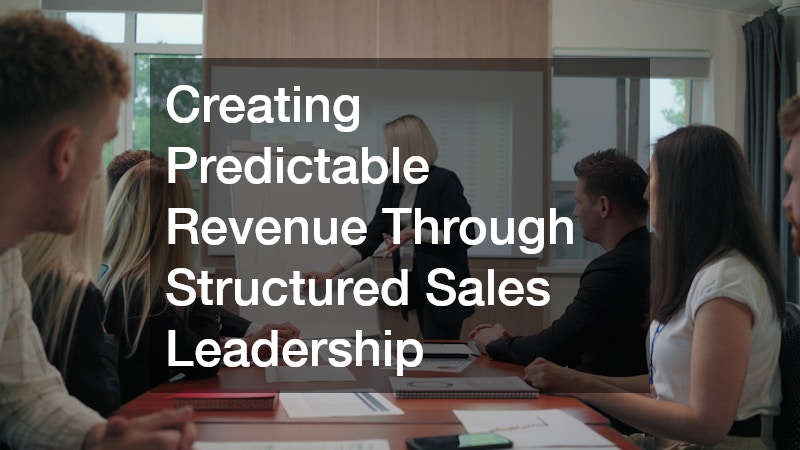
Creating Predictable Revenue Through Structured Sales Leadership
Small businesses often struggle with unpredictable revenue streams, which can hinder their ability to plan for future growth. Utilizing the expertise of a small business sales coach can streamline sales processes and improve conversion rates. By implementing structured sales leadership, businesses can cultivate a sales culture that emphasizes consistency and accountability, ensuring that revenue targets are met consistently.
Effective sales leadership involves setting clear objectives, identifying key performance indicators, and continuously monitoring sales activities. With a focus on data-driven decision-making, sales leaders can identify trends and adjust strategies accordingly, minimizing the guesswork in sales processes. This structured approach empowers sales teams to focus their efforts on high-impact activities that drive revenue growth.
Moreover, structured sales leadership fosters a collaborative environment where teams are motivated to achieve common goals. It encourages open communication and continuous learning, which are essential for adapting to market changes. By investing in a small business sales coach, businesses can refine their sales strategies, ultimately creating a predictable revenue stream that supports sustainable business growth.
Building Workforce Structure Before It Becomes Urgent
As businesses grow, so do their workforce needs; hence, establishing an HR management structure before it becomes a pressing issue is crucial. Implementing HR management solutions helps streamline recruitment, enhance employee engagement, and improve retention rates. Planning ahead ensures that businesses are not caught off-guard by sudden talent shortages, which can disrupt operations and hinder growth.
An effective HR management structure involves defining roles and responsibilities clearly, providing ongoing training, and creating career development plans. By doing so, businesses can foster a motivated workforce that’s aligned with the company’s goals. Regular performance assessments and feedback loops are key components of a successful HR strategy, as they help in identifying skill gaps and addressing them proactively.
Moreover, businesses that invest in HR management solutions often enjoy improved workplace culture, which can significantly enhance productivity. These solutions support the development of a structured onboarding process, ensuring that new hires are well integrated into the team. As a result, businesses can operate more efficiently, with a cohesive workforce that provides a competitive advantage in the marketplace.
Establishing Financial Systems That Support Decision-Making
Financial management is a cornerstone of any successful business, yet small business accounting can often be complex and overwhelming. Implementing robust financial systems enables businesses to gather real-time data that supports informed decision-making. Streamlined financial processes enhance cash flow management and enable businesses to allocate resources more effectively.
For small businesses, capturing detailed financial insights can uncover opportunities for cost savings and investment. With accurate financial reporting in place, businesses can make strategic decisions that align with their long-term goals. These financial systems are not only crucial for managing day-to-day operations but also essential for future planning and expansion.
Additionally, businesses that focus on maintaining accurate and transparent financial records can build trust with stakeholders and investors. Small business accounting solutions offer the ability to automate routine tasks, reduce errors, and improve efficiency. With these systems in place, businesses can focus on strategic growth initiatives, foster innovation, and achieve operational excellence.

Eliminating Financial Surprises Through Proactive Planning
Financial surprises can be detrimental to business operations, often resulting in unexpected expenses and cash flow disruptions. Engaging a tax prep service can significantly reduce the risk of these surprises by ensuring compliance and optimizing tax strategies. Proactive financial planning involves forecasting and budgeting, which helps in anticipating potential challenges and preparing contingency plans.
It is essential for businesses to regularly review and adjust their financial strategies to align with market conditions and business objectives. By doing so, they can avoid the common pitfalls associated with tax liabilities and inefficient resource allocation. With the right financial guidance, businesses can achieve greater financial stability and reduce the uncertainty that can hinder growth.
Businesses that prioritize proactive financial planning can also optimize their capital structure and investment portfolios. This approach allows for better negotiation with suppliers and creditors, facilitating improved credit terms and reduced costs. In today’s fast-paced business environment, having a clear financial outlook is crucial for making informed decisions and driving business success.
Maintaining Clean, Professional Business Environments That Impress Clients
Cleanliness is often an overlooked but vital aspect of business operations that can significantly impact client perceptions. Hiring commercial cleaners ensures that business environments are consistently maintained at high standards, reflecting professionalism and attention to detail. A well-kept workspace demonstrates a business’s commitment to creating a welcoming and healthy environment for employees and visitors alike.
Professional cleaning services go beyond surface-level tidiness, focusing on deep cleaning methods that contribute to overall workplace hygiene. This not only enhances the aesthetic appeal of a space but also reduces health risks associated with germs and allergens. Businesses that prioritize cleanliness can foster a more productive work environment and leave a lasting positive impression on clients.
Furthermore, engaging commercial cleaners allows businesses to focus on core operations without the distraction of maintenance tasks. Outsourcing these services can also lead to significant cost savings in the long run, as it reduces the need for in-house cleaning staff and equipment. Ultimately, maintaining a clean and professional work environment supports operational efficiency and enhances brand reputation.
Preventing Equipment Downtime Through Proactive Maintenance Planning
Equipment downtime can lead to significant operational disruptions and financial losses. By implementing proactive maintenance strategies, such as regular inspections and repairs, businesses can prevent issues like those addressed by trash compactor service repair. Scheduled maintenance ensures that equipment operates at peak performance, reducing the risk of breakdowns and the associated costs.
Proactive maintenance planning involves creating detailed maintenance schedules and tracking equipment performance metrics. This approach helps identify potential issues before they escalate into major problems, allowing for timely interventions. With a focus on preventative measures, businesses can minimize downtime and extend the lifespan of their assets, ensuring a better return on investment.
Additionally, businesses that invest in proactive maintenance can enjoy increased operational efficiency and productivity. Improved equipment reliability means less interruption to workflows and more consistent output, which is critical for maintaining competitive advantage. By prioritizing maintenance planning, businesses can safeguard their operations against unforeseen disruptions and ensure continuous service delivery.
Developing a Comprehensive Risk Management Strategy
In an unpredictable business environment, developing a comprehensive risk management strategy is essential for safeguarding assets and ensuring continuity. Security services play a crucial role in identifying potential risks and implementing measures to mitigate them. A holistic risk management approach involves assessing physical, financial, and operational risks and devising plans to address them.
Effective risk management requires collaboration across all levels of the organization, fostering a culture of awareness and accountability. Businesses must prioritize regular risk assessments and scenario planning to prepare for a range of potential challenges. By doing so, they can minimize the impact of unforeseen events and maintain operations during crises.
Moreover, integrating risk management into business strategy supports informed decision-making and resilience. Every business, regardless of size, should invest in developing robust security protocols and emergency response plans. Such proactive measures not only protect the business but also enhance its reputation and credibility among clients and stakeholders.
Creating Flexible Storage Capacity Without Increasing Overhead
As businesses grow, so does the need for additional storage space, which can pose financial and logistical challenges. Utilizing climate controlled self storage solutions offers the flexibility to scale resources without incurring substantial overhead costs. These facilities provide secure and convenient storage options that accommodate seasonal inventory fluctuations or expansion needs.
Storage flexibility is particularly valuable for businesses that experience varying demand cycles or require additional space for equipment and supplies. By choosing climate controlled options, businesses can protect sensitive items from temperature extremes and humidity levels, ensuring their integrity. This approach allows businesses to optimize storage utilization without the expense of acquiring or managing new real estate.
Moreover, flexible storage solutions can enhance operational efficiency and reduce waste, as businesses can better align inventory levels with demand. With climate controlled self storage, businesses have the assurance of clean, organized, and easily accessible storage spaces. This strategic resource management contributes to streamlined operations, facilitating growth without compromising financial stability.
Strengthening Market Presence Through Strategic Visibility
Achieving a strong market presence is critical for business growth, and strategic visibility plays a pivotal role in achieving this goal. Investing in a custom business sign can significantly enhance brand identity and create a lasting impression on potential customers. A well-designed sign communicates professionalism and draws attention to the business’s location, increasing foot traffic and brand awareness.
Beyond physical signage, leveraging digital platforms and marketing strategies can further amplify a business’s reach. Businesses should explore opportunities for online advertising, search engine optimization, and social media engagement to connect with a broader audience. By aligning marketing efforts with business objectives, companies can create a cohesive brand message that resonates with customers.
Strategic visibility is not solely about attracting new customers but also about retaining existing ones through robust customer relations. Tailoring marketing messages to specific target audiences and creating personalized experiences can foster loyalty and encourage repeat business. As businesses strengthen their market presence, they position themselves as leaders within their industry, which is essential for sustained success.

Preparing for Transportation and Fleet Disruptions Before They Happen
Transportation and fleet disruptions can have cascading effects on business operations, affecting deliveries, customer satisfaction, and overall profitability. To mitigate these risks, businesses should consider partnering with towing services, which offer quick responses and comprehensive support for unexpected breakdowns. Proactive transportation planning includes regular vehicle maintenance, route optimization, and contingency strategies to address potential disruptions.
Incorporating technology, such as GPS tracking and fleet management software, can enhance transportation efficiency and provide real-time data for decision-making. By staying informed about vehicle performance and potential issues, businesses can maintain service reliability and minimize downtime. This foresight allows companies to uphold high service standards, ensuring consistent delivery to customers and maintaining trust.
Additionally, businesses should develop strong partnerships with logistics providers and maintain flexible contracts to adapt to changing circumstances. Training employees on emergency procedures and communication protocols further strengthens a business’s ability to respond to transport disruptions. Ultimately, being prepared for transportation challenges ensures business continuity and maintains operational integrity, even in the face of unforeseen events.
The sustainability and growth of a small business rely on its ability to strategically manage and overcome various operational challenges. By creating predictable revenue through the guidance of a small business sales coach, implementing effective HR management solutions, and ensuring financial stability with small business accounting, businesses can build a strong operational foundation. Proactive strategies such as tax prep services, engaging commercial cleaners, and employing trash compactor service repairs help maintain optimal operational conditions. Additionally, developing comprehensive risk management strategies, leveraging climate controlled self storage for flexible resource management, and utilizing custom business signs for enhanced market visibility contribute to a business’s competitive edge. By preparing for transportation challenges with towing services, businesses can further solidify their resilience against disruptions. These strategic preparations not only empower small businesses to thrive in a competitive landscape but also ensure they remain adaptable and responsive in an ever-changing market.