
In an evolving economic landscape where traditional four-year degree paths often carry substantial student debt without guaranteed financial returns, alternative career tracks have surged in prominence. Technical training, vocational certifications, and specialized two-year credentials offer focused pathways into essential industries that power local infrastructure, deliver vital health services, and maintain everyday quality of life. Investing time and capital into these hands-on disciplines frequently yields strong earning potential, robust job security, and rapid entry into the workforce.
Understanding which specialized fields deliver the highest return on educational investment requires examining diverse industries, ranging from specialized healthcare and personal aesthetics to heavy industry and vital utility maintenance. By evaluating the training requirements, practical applications, and market stability across these sectors, prospective students and career changers can make informed decisions about building sustainable, highly lucrative careers.
Navigating the Shift Toward Hands-On Expertise
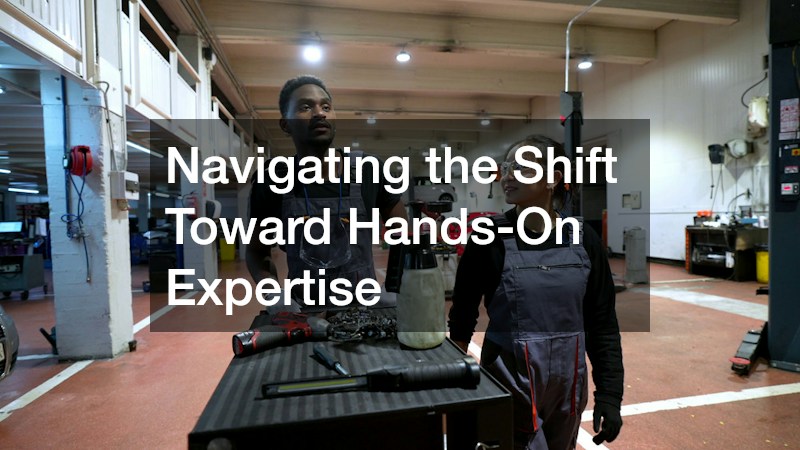
The modern labor market increasingly rewards specialized, practical expertise that cannot be easily automated or outsourced. While corporate sectors face shifting demands driven by technological disruption, core service industries maintain steady, recession-resistant demand. Individuals who acquire specific practical abilities find themselves in high demand across both urban centers and rural communities.
Educational programs targeting these fields prioritize direct skill acquisition over generalized coursework. Students spend less time in theoretical lectures and more time engaged in clinical hours, shop training, field simulations, and direct apprenticeships. This focused pedagogy minimizes the opportunity cost of higher education, allowing graduates to begin earning competitive incomes significantly sooner than those pursuing traditional multi-year academic tracks.
A foundational step for many high-income trades involves completing a targeted associate degree program. These specialized two-year courses of study blend core technical instruction with practical applications, creating a versatile framework for entering skilled labor markets or advancing into management roles within specialized service firms.
Aesthetics and Wellness as High-Demand Careers

The personal care and aesthetic wellness sectors represent a multi-billion-dollar industry that continues to experience steady growth. Consumer investment in appearance, self-care, and personal confidence creates a consistent market for well-trained specialists capable of delivering specialized cosmetic treatments and grooming services.
Gaining entry into this vibrant marketplace typically begins at a licensed beauty school. These institutions provide rigorous instruction in sanitation, hair styling, skincare science, nail technology, and salon management. Graduates emerge with state licensure, ready to build independent client rosters, work in high-end spas, or launch their own beauty businesses with relatively low startup overhead compared to other commercial ventures.
Beyond general personal care, advanced dental aesthetics represents another lucrative domain at the intersection of healthcare and personal appearance. Professionals in cosmetic dentistry perform specialized procedures such as teeth whitening, porcelain veneer application, and smile alignment. The specialized training required for these aesthetic treatments enables practitioners to command premium fees while addressing strong patient demand for improved dental aesthetics.
Similarly, specialized dental practitioners known as orthodontists complete extensive post-graduate education to diagnose, prevent, and correct facial and dental irregularities. Their work restoring proper bite alignment and structural harmony requires years of advanced clinical mastery, positioning this field among the highest-earning specialties in the broader healthcare landscape.
Heavy Industry and Specialized Equipment Operation
Modern construction, resource extraction, and infrastructure development rely heavily on heavy machinery and expert mechanical operators. Careers in these physical sectors demand exceptional technical precision, spatial awareness, and adherence to strict safety protocols, translating to premium compensation for qualified personnel. Beyond sheer strength or basic equipment familiarity, success in heavy industrial settings hinges on a deep understanding of physics, structural limits, and environmental variables. Operators must make split-second decisions under high-pressure conditions where minor technical oversights can disrupt multi-million-dollar timelines or compromise job site safety. Because the barrier to entry requires specialized skill rather than advanced theoretical degrees, individuals who master these complex physical machines quickly achieve high earning tiers that rival traditional white-collar professions.
Operating massive lifting machinery on major construction sites requires comprehensive certification and specialized field training. Providers of professional crane services rely on certified operators who understand load dynamics, rigging safety, weather constraints, and precision maneuvering. These highly trained specialists must continuously calculate center-of-gravity shifts, wind resistance, and ground stability while hoisting steel beams, concrete panels, and heavy equipment hundreds of feet into the air. The rigorous training programs for these roles combine classroom instruction in rigging mathematics with hundreds of mandatory simulator and seat-time hours. Because large-scale commercial building projects cannot proceed without these specialized lifting operations, skilled crane operators enjoy excellent job stability and high earning potential.
Resource extraction remains another vital pillar of the heavy industrial economy. High-level technical crews, such as experienced oil well drillers, operate sophisticated machinery to extract energy resources from deep subsurface formations. Working in this demanding industry requires rigorous physical stamina, technical aptitude, and specialized safety training, rewarded by compensation packages that frequently rank among the highest in non-academic career fields. Modern drilling operations utilize advanced directional control technology, mud-circulation systems, and automated pipe-handling equipment that demand constant monitoring and real-time operational adjustments. Drillers must manage extreme subsurface pressures, navigate complex geological strata, and maintain strict environmental compliance protocols. The combination of intense technical skill, continuous field hazards, and specialized machine mastery ensures that experienced energy extraction crews remain among the most highly valued and lucrative trades in the global labor marketplace.
Essential Utility Infrastructure and Environmental Systems
Behind every functional community lies a complex network of piping, waste management systems, and water supply infrastructure. The technicians who install, maintain, and repair these unseen systems provide services that are absolutely vital to public health, hygiene, and environmental safety.
Commercial buildings, high-rise office towers, and industrial facilities require complex fluid dynamics, high-capacity supply lines, and intricate drainage networks. A certified commercial plumbing expert addresses large-scale installations, complex code compliance, backflow prevention, and major mechanical repairs. The specialized knowledge needed to manage large commercial water systems ensures a steady stream of high-value contracts and stable employment opportunities.
In residential and commercial properties situated outside municipal sewer networks, decentralized wastewater treatment systems require ongoing professional upkeep. Specialized technicians performing routine septic pumping protect groundwater safety and prevent severe property damage by clearing waste accumulation and inspecting tank integrity. The specialized equipment and regulatory knowledge involved make this an indispensable service with recurring maintenance cycles.
In agricultural regions, food production depends directly on deep-well irrigation networks. Skilled technicians offering agricultural well pump repairs diagnose electrical faults, pull massive submersible pumps, and repair mechanical components to keep crops watered and livestock sustained. Because an irrigation failure can devastate agricultural yields, farmers pay top rates for immediate, expert intervention when water systems fail.
Compassionate Healthcare and End-of-Life Support

While many high-value trades center on physical machinery and infrastructure, specialized healthcare services require a unique blend of clinical skill, empathy, and patient care management. Specialized care tracks offer deeply fulfilling career options for individuals driven to assist others during vulnerable life transitions. Unlike industrial sectors where productivity is measured in output volume or mechanical efficiency, direct clinical care measures success through patient comfort, dignified treatment, and quality of life. This human-centered focus creates a uniquely resilient niche within the broader labor market, as these deeply personal healthcare functions cannot be replicated by automated systems or standardized software algorithms.
Organizations providing comprehensive hospice services rely on interdisciplinary teams of nurses, aides, social workers, and medical directors to deliver palliative care to patients with terminal illnesses. Specialized training in pain management, emotional support, and end-of-life care equips practitioners to guide families through complex medical and emotional journeys. Professionals in this sector undergo rigorous education covering symptom control protocols, grief counseling techniques, ethical medical decision-making, and regulatory compliance. Mastering these multifaceted competencies prepares healthcare providers to operate effectively in home settings, dedicated inpatient units, and long-term residential facilities, ensuring seamless continuity of care during sensitive transitional periods.
Demand for these compassionate healthcare professionals continues to rise rapidly as global populations age, ensuring long-term employment stability and meaningful daily work. As demographic trends shift toward an older median population, the strain on traditional acute-care hospital systems has created an urgent need for specialized community-based care models. Consequently, healthcare workers who invest their time and educational resources into palliative credentials find themselves entering an industry with unmatched job security and expanding promotional pathways. Beyond economic safety, practitioners experience exceptional job satisfaction derived from making a direct, positive impact on patients and families when compassionate guidance matters most. Furthermore, the specialized clinical insights gained through palliative work frequently prepare care coordinators to step into healthcare administration, agency management, and clinical education roles. These leadership positions allow seasoned providers to influence broader healthcare delivery models while significantly increasing their long-term earning potential.
Financial Considerations and Return on Investment
Evaluating any educational pathway requires measuring the total cost of tuition, books, and lost wages against the realistic earning trajectory after graduation. Traditional four-year university programs frequently leave graduates with substantial loan debt while offering entry-level positions that may not immediately cover high monthly interest payments. Furthermore, four full years of deferred income represents a massive hidden cost that many students fail to factor into their initial financial calculations. During those years spent in lecture halls, undergraduates miss out on accumulating real-world labor market experience and compound savings, compounding their net financial debt before their professional careers even begin. The escalating price of higher education has forced many young professionals into decades-long repayment schedules that delay major adult milestones like homeownership, business investment, and retirement planning.
In contrast, vocational programs and specialized technical certifications feature significantly lower tuition rates and shorter completion timelines. Personal care and aesthetic credentials often require six to twelve months of training focused heavily on client management and sanitation, unlocking high self-employment potential. This compressed educational timeline allows practitioners to build a loyal client roster and generate revenue almost immediately upon receiving state licensure. Specialized mechanical trades and palliative care programs generally range from one to two years, delivering high hourly wages and strong job stability that insulate workers against broader economic downturns. These fields benefit from steady, non-cyclical consumer demand, ensuring that skilled labor remains indispensable even during period of economic volatility.
Infrastructure and utility professions often blend one to four years of classroom study with paid apprenticeships, ensuring continuous demand and high-value contracts. These structured apprenticeship models allow trainees to earn competitive wages while gaining mandated field experience, effectively eliminating the need for heavy student borrowing. By receiving a paycheck throughout the training process, trade students graduate with minimal overhead and a clear, direct path toward master-level certification. Additionally, union-backed apprenticeships often provide comprehensive health benefits and pension plans right from day one, offering an immediate safety net that traditional college students rarely experience until years after graduation.
Ultimately, comparing these distinct educational models shifts the focus from simple degree prestige to genuine return on investment. The accelerated timeline of technical training not only reduces direct educational expenses, but it also fast-tracks an individual’s lifetime earning momentum. By entering the labor force years ahead of their university counterparts, trade graduates capitalize on crucial early-career wealth building and career advancement opportunities. By carefully weighing these financial metrics, prospective learners can select educational investments that align with their personal strengths, lifestyle preferences, and long-term financial goals.
Strategic Pathways for Career Advancement

Entering a trade or specialized service field is rarely the final step in a professional journey; rather, it serves as a foundation for ongoing career progression. Experienced tradespeople and certified specialists frequently leverage their hands-on background to transition into higher-level roles, including field supervision, project management, technical consulting, or business ownership.
For example, a technician who begins their career working in field maintenance can eventually establish a full-service contracting firm, managing teams of operators, expanding service fleets, and securing major commercial maintenance contracts. Similarly, licensed aesthetic or care specialists often transition into salon ownership, clinical administration, or specialized training roles where they mentor the next generation of practitioners.
Continuous learning remains essential even after earning an initial license or diploma. Technologies in fields like heavy machinery operation, water pump diagnostics, and aesthetic procedures evolve rapidly. Professionals who actively pursue continuing education, learn new software systems, and master updated safety standards consistently earn higher rates and secure the most desirable contracts in their respective industries.
Investing in a specialized education represents one of the most reliable ways to build a secure, prosperous future. Whether through mastering heavy machinery, maintaining critical environmental infrastructure, enhancing personal appearance, or delivering vital healthcare, acquiring concrete, real-world skills provides lifelong economic independence and professional purpose.