
The rapid evolution of artificial intelligence and machine learning has triggered widespread debate over the future of human employment. Sophisticated algorithms now write software, draft legal briefs, create intricate digital artwork, and analyze complex financial data with unprecedented speed. This technological wave has left millions of knowledge workers wondering if their roles will remain relevant in the coming decades.
Yet, amid this digital revolution, a vast sector of the economy remains strikingly resilient. Physical trades, specialized emergency interventions, hands-on animal care, and localized operational services share a fundamental trait: they exist entirely within the unpredictable, tactile world. Unlike screens and data pipelines, the real world is messy, dynamic, and resistant to algorithmic prediction.
The careers thriving on the frontlines of society rely on fine motor skills, real-time spatial adaptation, emotional empathy, and immediate physical presence. Exploring these essential roles reveals why the human touch remains irreplaceable in an increasingly automated world.
High-Voltage Problem Solving and Real-Time Hazard Mitigation

When electrical infrastructure fails in the middle of the night, software cannot restore power or eliminate danger. Complex wiring networks hidden behind drywall, exposed to weather, or damaged by structural settling present unique challenges that vary wildly from one property to another. Diagnosing a blown main panel, isolated short circuit, or hazardous wiring defect requires far more than following a digital decision tree. Every callout presents a blind puzzle where hidden moisture, rogue rodents, DIY modifications, or age-degraded insulation can completely alter the diagnostic landscape.
Troubleshooting high-voltage systems demands tactile instinct, acute sensory observation, and real-time spatial problem-solving. A technician must physically inspect thermal anomalies, smell scorched insulation, test live currents with specialized tools, and adapt instantly to non-standard installations built decades ago that may not comply with modern schematics. Whether wiring a modern smart home or responding to a sudden blackout as an emergency electrician, these specialists navigate dangerous environments where a single misstep carries severe consequences, including fatal shocks or destructive electrical fires. Because no two buildings feature identical layouts, structural quirks, or wear patterns, this diagnostic and physical repair work defies standardized robotic automation and pre-programmed algorithms.
Beyond residential utility work, industrial and commercial energy systems require dedicated physical assembly and heavy-duty engineering on site. Transitioning to renewable power involves mounting massive arrays onto non-uniform roof structures, calculating load distributions, aligning heavy hardware against high wind loads, and safely integrating high-capacity inverters into legacy power grids. Installing a commercial solar panel network requires exhaustive structural evaluation, heavy lifting under extreme thermal conditions, and custom conduit routing through tight architectural spaces—tasks that demand exceptional human dexterity, spatial judgment, physical endurance on elevated surfaces, and unwavering safety awareness. No virtual assistant can step onto a scorching rooftop, balance on a structural beam, and hand-craft custom conduit runs to power a business.
Restoring Physical Structures and Countering Sudden Disasters

The built environment is constantly under siege from natural elements, age, and unexpected structural crises. Maintaining and repairing physical property requires deep material knowledge coupled with intense manual craft that no software program can simulate. Every building exists as a unique, living entity subject to shifting soil, fluctuating temperatures, and unpredictable weather patterns, making physical upkeep an inherently dynamic discipline.
Consider structural stone and brickwork, where ancient craftsmanship meets modern architectural demands. The art of laying brick, shaping stone, and applying mortar to build durable facades, retaining walls, or structural foundations relies on thousands of micro-adjustments made by hand. Master tradespeople practicing masonry must assess individual stone weight, gauge mortar consistency against ambient humidity, and visually align courses across uneven terrain. They feel the balance of each block, chip away imperfections with surgical precision, and adjust their technique instantly based on how materials bond in real time. Machines struggle with the erratic variations of natural stone, the unpredictable behavior of aged lime mortars, and the subtle aesthetic judgment required to craft beautiful, enduring structures that seamlessly blend functionality with visual harmony.
While masonry represents deliberate construction, disaster response represents chaos management in unpredictable, high-stress environments. When a pipe bursts on the third floor of an office building or a storm overwhelms a basement, water invades structural materials immediately, compromising structural integrity within hours. Mitigating this destruction is a tense race against rapid decay and microbial growth. Professional water damage restoration requires technicians to evaluate moisture migration behind walls using thermal cameras and moisture meters, deploy heavy-duty extraction machinery, strip compromised drywall, and apply anti-microbial treatments to prevent catastrophic structural rot.
Every flooding event brings a unique, chaotic mix of structural damage, contaminated water categories, and hidden mold risks. A computer program cannot physically tear out saturated insulation, maneuver industrial dehumidifiers through tight stairwells, navigate hazardous electrical conditions in standing water, or make critical on-the-spot judgments regarding whether structural timber has retained its load-bearing integrity.
Crisis Management, Risk Assessment, and Legal Support
Not all un-automatable professions center on physical tools and raw materials; many revolve around navigating high-stakes human systems, legal frameworks, and personal crises. When individuals find themselves caught in complex institutional machinery, human intervention becomes an absolute necessity.
Securing temporary release from custody involves navigating intricate judicial procedures, assessing financial risk, and establishing trust under severe time constraints. A bail bond agent operates at the intersection of law, finance, and human psychology. They must evaluate a client’s flight risk, negotiate collateral, coordinate with court clerks and detention facilities, and provide reassurance to frantic family members. The decision to underwrite a bond depends on subtle human cues, local courtroom nuances, and personal credibility—factors that an algorithm cannot replicate or replace.
Different crisis response roles highlight distinct human operational strengths. Disaster remediation focuses on structural failure and active flooding, relying on physical extraction and immediate material assessment. Legal bonding manages high-stakes risk evaluation, requiring behavioral intuition and skilled navigation of complex judicial systems. Urgent dental care addresses unpredictable pathology and severe patient pain, demanding micro-precision within living tissue.
Protecting physical property also requires human expertise to bridge the gap between digital monitoring and real-world defense. While modern security tech includes smart cameras and remote sensors, designing a comprehensive defense system requires evaluating physical vulnerabilities, blind spots, entry points, and local response times. Running a successful security system business involves visiting sites in person, running concealed wiring through complex architecture, positioning sensors to avoid false triggers, and maintaining physical hardware. Technology acts as the tool, but the strategist and installer remain essential.
Micro-Precision Healthcare and Urgent Biological Care
Healthcare is often cited as a field prime for technological assistance, yet hands-on clinical procedures remain overwhelmingly human. Nowhere is this clearer than in urgent medical interventions involving acute physical pain and delicate anatomy.
When severe tooth pain strikes or a traumatic dental injury occurs, immediate physical intervention is required. An emergency dentist works within a microscopic, wet, and highly sensitive environment where patients are often experiencing severe distress. Diagnosing cracked roots, performing emergency root canals, extracting broken teeth, and draining abscesses require exceptional hand-eye coordination and real-time adjustments based on patient movement and anatomical variation.
While digital knowledge work deals with static code, text, and predictable parameters where errors can be patched later, urgent biological care takes place inside dynamic, living human tissue with zero margin for irreversible mistakes. Furthermore, digital platforms interface with passive users, whereas biological practitioners interact with anxious individuals experiencing acute physical distress—requiring a rare balance of micro-precision, active empathy, and real-time emotional regulation.
Administering local anesthesia to an anxious patient demands emotional regulation, steady physical control, and constant verbal communication. A robot cannot sense a patient’s subtle physical flinch, calm their panic, or pivot mid-procedure when discovering unexpected underlying pathology inside a living tooth.
Behavioral Psychology and Compassionate Care for Animals
Biological complexity extends beyond human healthcare into the management and care of animals. Working with living creatures demands an understanding of non-verbal communication, instincts, and behavioral dynamics that cannot be reduced to digital code.
Modifying animal behavior requires acute observation and real-time adaptability. A professional dog trainer does not simply execute static commands; they analyze body language, subtle shifts in posture, tail position, eye contact, and vocalizations to understand a dog’s emotional state. Whether addressing fear-based aggression, separation anxiety, or leash reactivity, the trainer must adjust their tone, distance, and rewards instantly. Because animals do not operate on linear logic, human intuition and timing remain vital to shaping behavior effectively.
At the opposite end of the life cycle, supporting families through the loss of a companion animal requires profound empathy alongside strict regulatory compliance. Operating as a pet cremation service provider involves delicate physical handling, dignified chain-of-custody protocols, and specialized equipment operation. More importantly, it requires supporting grieving pet owners with patience and understanding. Managing loss is an intrinsically human experience; families seeking solace count on respectful human interaction during their darkest moments.
Real-World Logistics, Mobility, and Physical Handling
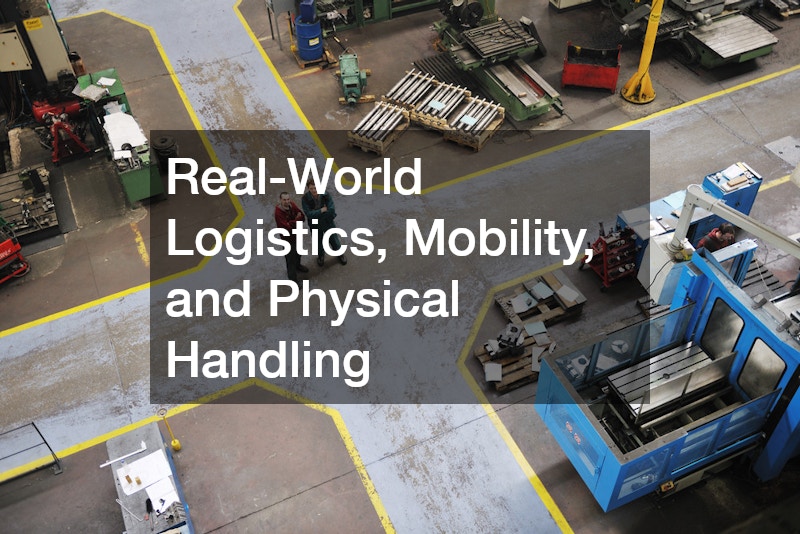
Managing high-value machinery and transport logistics in crowded physical spaces is another area where hands-on human skill shines. While digital systems optimize flight schedules and track cargo containers, moving vehicles through dense physical spaces remains surprisingly complex. Technology can schedule departures or track locations via satellite, but the actual physical act of piloting, maneuvering, and organizing heavy machinery within dynamic, human-congested environments demands an adaptable human presence on the ground.
Operating a high-volume airport valet parking service might seem straightforward, but it requires coordinating vehicle movement, physical key management, tight spatial maneuvering, and fast customer service under extreme time pressures. Attendants must navigate diverse vehicle types—ranging from vintage manual transmissions to high-tech electric vehicles with non-standard control interfaces—through changing weather conditions, spatial constraints, and unpredictable traffic flows. They must physically inspect vehicles for pre-existing damage, secure personal items, organize complex key-vault systems, and maintain fast turnover during peak travel hours when hundreds of stressed travelers arrive simultaneously.
Every shift introduces a chaotic variable, such as a dead battery in a stalled lane, a rogue pedestrian stepping into a vehicle path, an oversized truck exceeding garage clearances, or sudden torrential rain reducing visibility. Human valets must instantly read these shifting conditions, communicate non-verbally with surrounding drivers, execute split-second spatial maneuvers in cramped spaces, and resolve sudden bottlenecks before they paralyze traffic flow.
Managing vehicle logistics requires constant spatial awareness, physical speed, tactical problem-solving, and operational flexibility—traits that are difficult to replicate with automated systems in unpredictable public spaces. Automated systems lack the physical agility to squeeze into non-standard parking stalls, the sensory awareness to notice a soft tire or low oil leak during transport, and the interpersonal touch needed to calm an anxious traveler rushing to catch a flight. Real-world mobility ultimately depends on agile human hands and sharp situational judgment.
The Undeniable Value of the Physical World

The common thread uniting all these professions is their connection to the physical world. While artificial intelligence excels at manipulating symbols, processing text, and recognizing digital patterns, it lacks a physical body capable of navigating non-standardized environments.
Career resilience directly reflects the environment in which a job takes place. Roles with high resilience operate in dynamic, unpredictable physical spaces that require custom micro-adjustments, spatial problem-solving, and deep human empathy. In contrast, roles with low resilience center on standardized digital inputs, predictable rulesets, and screen-based data analysis that software can replicate effortlessly.
Professionals in these high-resilience fields rely on a distinct set of human capabilities that machines simply cannot replicate:
First, tactile dexterity and fine motor control allow workers to manipulate tools inside dynamic, non-standard environments like live mouth cavities, flooded basements, or high-voltage control boxes. Second, spatial adaptation and practical problem-solving empower them to evaluate unique physical spaces, such as measuring stone alignment for retaining walls, fitting security hardware into old construction, or rigging solar panels on complex roofs. Third, real-time environmental adjustments enable technicians and service providers to respond to unpredictable external factors, including changing weather during valet operations, shifting structural damage during flood cleanup, or sudden dog reactivity during training. Finally, human empathy and behavioral intuition allow professionals to provide comfort during biological emergencies, offer support after pet loss, assess legal risks for clients in custody, or manage stressed homeowners during power outages.
As digital tools take on more routine cognitive tasks, society’s reliance on skilled physical professionals will only grow. The workers who combine manual dexterity, spatial problem-solving, and genuine human compassion are not just safe from automation—they form the indispensable foundation of our modern world.