
Every growing business eventually hits a point where informal systems and good intentions are no longer enough to keep operations safe and stable. As you add employees, equipment, and physical locations, new risks quietly multiply in the background. Protecting your company means thinking ahead about workforce gaps, equipment hazards, data exposure, and financial surprises before they become costly emergencies. This guide walks through the practical areas where growing companies most often get caught off guard, and what you can do now to stay ahead of them.
Building a Workforce That Can Scale With You
One of the biggest risks for a growing company is not having enough qualified people when demand spikes. A single unfilled shift during peak season can mean missed deliveries, unhappy customers, or overworked staff who eventually burn out and quit. Many businesses solve this by partnering with a contract staffing agency to bring in vetted, temporary workers during busy seasons or special projects without the long-term commitment of full-time hires.
This approach gives you flexibility while still ensuring the people on your floor or in your trucks have been screened for reliability and basic competency. Good agencies handle background checks, drug testing, and skills verification before a worker ever shows up, saving your managers hours of vetting time. Many also offer a trial period, so if a placement isn’t the right fit, you can request a replacement rather than being stuck with a bad hire.
It also reduces the pressure to rush hiring decisions when you are short-staffed. Instead of settling for the first applicant out of desperation, you can use contract workers to bridge the gap while you take the time to find full-time employees who truly fit your culture and long-term growth plans.
For companies that rely on drivers, workforce planning gets even more specific. Investing in proper CDL training for new or transitioning employees ensures they meet legal requirements and understand the safety expectations of commercial driving before they are ever behind the wheel of your vehicles. This includes not just the classroom instruction needed to pass licensing exams, but hands-on practice with the actual vehicle types your fleet uses, whether that’s box trucks, tankers, or tractor-trailers.
A structured onboarding process should also cover defensive driving techniques, hours-of-service regulations, and company-specific protocols for reporting incidents or mechanical issues. Building in a mentorship period, where new drivers ride along with experienced staff for the first few weeks, can catch bad habits before they become costly patterns. Some companies find that partnering with a certified training provider is more reliable than relying solely on in-house instruction, especially as DOT requirements continue to evolve.
Skipping this step to fill a seat faster almost always costs more later in accidents, fines, or lost contracts. A single preventable accident can trigger insurance premium hikes that last for years, not to mention the potential for lawsuits if negligent hiring or training practices come to light. Treating driver readiness as a core part of your risk management strategy, rather than an afterthought, protects both your people and your bottom line as the company grows.
- Use temporary staffing agencies to test workers for 30-90 days, evaluating reliability and skill fit before extending permanent offers
- Require documented CDL training completion and license verification before assigning any driving duties, reducing liability exposure
- Build a bench of pre-screened, on-call candidates for seasonal demand spikes so hiring doesn’t stall production
- Review staffing partner contracts closely for liability caps, workers’ comp coverage, and indemnification clauses
- Confirm staffing agencies carry adequate general liability and auto insurance, especially for roles involving equipment or vehicles
- Establish clear cross-training plans so existing employees can flex into higher-demand roles during growth surges
Keeping Perishable Goods and Deliveries on Track
If your business moves food, pharmaceuticals, or other temperature-sensitive products, transportation risk deserves its own conversation. Reefer transportation involves refrigerated trailers that must maintain precise temperatures throughout a delivery, and even a short mechanical failure can spoil an entire shipment. Growing companies often underestimate how quickly a single bad delivery can damage a client relationship or trigger a costly claim.
To manage this risk, companies should require regular maintenance checks on refrigeration units and real-time temperature monitoring during transit. Drivers handling these loads need specific training on what to do if a unit malfunctions mid-route, since minutes matter when product integrity is at stake. Building these checks into your standard operating procedures protects both your inventory and your reputation.
- Schedule preventive maintenance on refrigeration units before peak season
- Use temperature logging devices with alerts for out-of-range readings
- Train drivers on emergency protocols for equipment failure
- Document chain-of-custody for temperature-sensitive shipments
What Happens When an Employee Gets Hurt
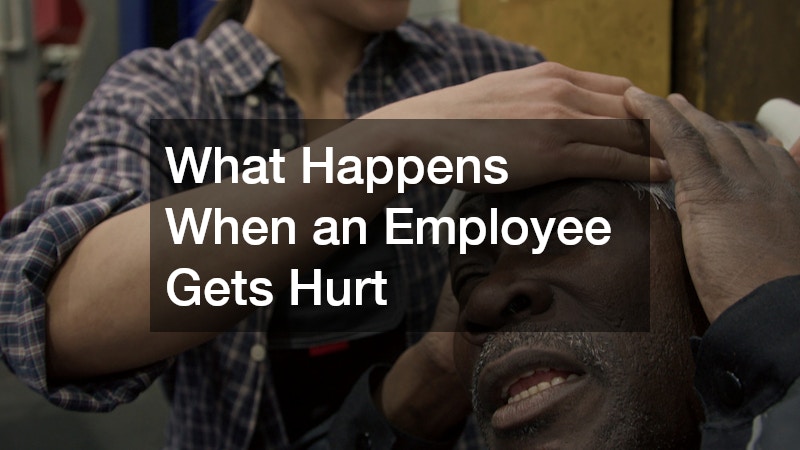
No matter how careful your safety program is, workplace injuries eventually happen as your headcount grows. A single slip-and-fall or repetitive strain injury can quickly turn into a costly claim if it isn’t handled properly from the start. Having a clear, documented process for reporting and responding to incidents protects both your employees and your business.
At a minimum, that process should spell out who employees notify immediately after an injury, how quickly a supervisor must file an incident report (many companies set a 24- to 48-hour window), and what documentation gets collected, including witness statements, photos, and medical records. Designating a single point person to manage claims helps ensure nothing falls through the cracks as your team scales past the size where one manager can track everything informally.
Delays or inconsistent handling of injury claims often lead to disputes, whether over the severity of the injury, whether it was truly work-related, or how much time off is warranted. That is when many employers find themselves needing to consult a workers compensation attorney to sort out coverage questions or contested claims. Bringing in legal guidance early, rather than after a dispute escalates, often saves both time and money.
Rather than waiting for a crisis, it helps to build a relationship with legal counsel before you need one urgently. A knowledgeable attorney can review your current policies, help you understand your state’s specific requirements, and flag gaps in your documentation practices. This proactive step often prevents small incidents from turning into drawn-out legal battles.
Look for counsel who regularly handles workers’ compensation and employment law in your state, since rules on reporting deadlines, wage replacement, and return-to-work accommodations vary widely. Some states require an injury report within 24 to 72 hours, while others allow several days—missing that window can trigger fines or complicate your claim. An attorney familiar with your industry can also tell you whether your workplace falls under any special safety regulations, like OSHA’s recordkeeping rules for companies with 11 or more employees.
Beyond compliance, a good relationship with legal counsel gives you a resource to call the moment an incident happens, rather than scrambling to find representation after the fact. Many firms offer a flat-rate policy review or an annual retainer for smaller companies, which can be far cheaper than the cost of a mishandled claim. Ask them to walk through a mock scenario with your HR team once a year, so everyone knows exactly who documents what, who contacts the insurer, and who communicates with the injured employee.
- Report and document injuries within 24 hours whenever possible, including time, location, witnesses, and immediate actions taken
- Notify your workers’ comp carrier promptly, since many states require claims filed within 24 to 72 hours of the incident
- Keep incident reports consistent and factual, not speculative, avoiding language that assigns blame or guesses at causes
- Train supervisors on a standard reporting template so every incident, however minor, gets documented the same way
- Review your workers compensation policy annually for coverage gaps, checking coverage limits against your current payroll and job classifications
- Confirm whether your policy covers remote workers, contractors, or newly added roles, since growth often outpaces coverage
- Establish a relationship with legal counsel before disputes arise, so you have guidance ready for OSHA reporting thresholds or serious claims
- Keep a simple post-incident checklist on hand covering medical care, reporting deadlines, and return-to-work planning
Managing the Hazards of Heavy Equipment
As operations scale, many companies introduce heavier machinery into warehouses, job sites, or distribution centers. Forklifts are among the most common pieces of equipment involved in workplace accidents, often due to inadequate operator training or poor visibility in crowded spaces. A single incident involving this equipment can result in serious injury, property damage, and regulatory scrutiny.
Reducing this risk starts with formal operator certification and regular refresher training, not just a one-time orientation. Facilities should also enforce clear traffic patterns, pedestrian zones, and load limits to prevent avoidable collisions. Routine inspections of equipment condition, including brakes and forks, catch mechanical issues before they cause an accident.
- Certify all operators before allowing independent equipment use
- Mark pedestrian walkways clearly and separately from equipment paths
- Inspect equipment daily using a standardized checklist
- Retrain operators after any near-miss or minor incident
Electrical Safety in Growing Facilities
As companies expand into larger spaces or add new equipment, electrical systems often get stretched beyond their original design. Overloaded panels, outdated wiring, and improvised extension cord setups are common culprits behind facility fires and equipment damage. Bringing in licensed commercial electricians for regular inspections helps catch these issues before they become safety hazards or costly downtime.
It is worth scheduling an electrical assessment any time you add significant new machinery, expand square footage, or notice flickering lights and tripped breakers becoming routine. Waiting until something fails is far more expensive than preventive maintenance, both in repair costs and potential business interruption. A written electrical safety plan also helps new employees understand what to report and who to contact.
- Schedule a full electrical inspection when expanding or renovating space
- Avoid daisy-chaining extension cords as a permanent solution
- Label breaker panels clearly for faster emergency response
- Address flickering lights or warm outlets immediately
Protecting Sensitive Business and Customer Records
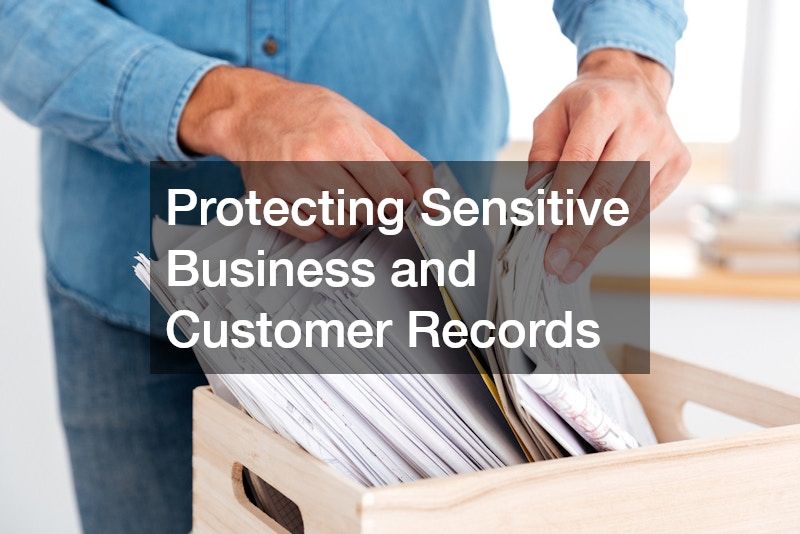
Growing companies accumulate paperwork fast, from employee files to customer contracts and financial records. Simply throwing outdated documents in the trash creates real exposure to identity theft, fraud, and compliance violations. Many businesses now use a professional document shredding service to safely dispose of sensitive paper records on a regular schedule rather than letting them pile up in storage.
Beyond convenience, this practice supports compliance with data protection regulations that apply to industries handling personal or financial information. A consistent shredding schedule also frees up physical storage space and reduces the temptation to keep records far longer than necessary. Pairing this with clear digital data retention policies rounds out a more complete records management strategy.
- Set a regular shredding schedule instead of ad hoc disposal
- Include employee records, contracts, and financial documents in the policy
- Keep a certificate of destruction for compliance purposes
- Coordinate paper shredding with digital file retention rules
Securing Your Physical Locations
As a company adds locations, warehouses, or after-hours operations, physical security becomes harder to manage informally. Lost keys, former employees with access, and outdated lock systems are more common than most owners expect. Working with experienced commercial locksmiths to install master key systems, rekey locations after staff turnover, or upgrade to electronic access control significantly reduces unauthorized entry risk.
Security should be reviewed any time you open a new location, experience employee turnover in security-sensitive roles, or notice inconsistent access logs. Modern access systems can also provide an audit trail showing who entered a facility and when, which is valuable both for security and for resolving disputes. Treating physical security as an ongoing process rather than a one-time setup keeps your assets and people safer.
- Rekey locations after any security-sensitive employee departure
- Consider electronic access systems for detailed entry logs
- Audit key holders periodically to confirm accuracy
- Secure high-value storage areas separately from general access
Maintaining a Clean and Compliant Workplace
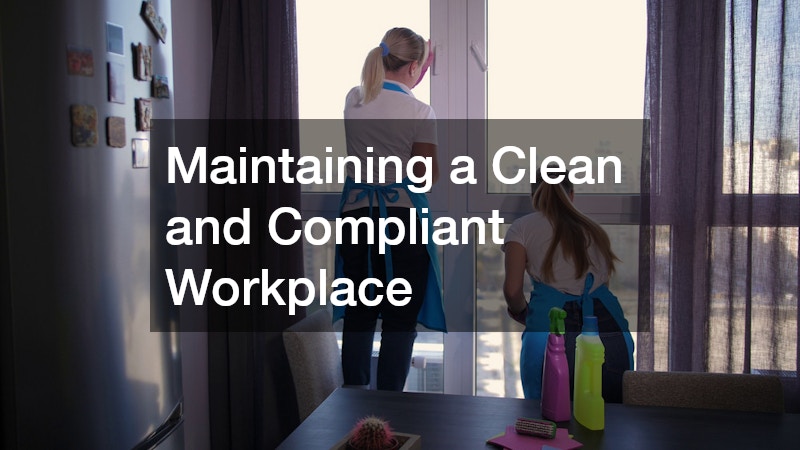
Cleanliness might seem like a minor operational detail, but it directly affects safety, employee health, and even liability exposure. Cluttered walkways, poor sanitation, and neglected common areas contribute to slip-and-fall incidents and can violate health code requirements depending on your industry. Many growing companies bring in commercial cleaning services to maintain consistent standards across multiple shifts or locations without relying on already-stretched staff.
A structured cleaning schedule also supports employee morale and reduces sick days by minimizing the spread of illness in shared spaces. This is especially important in facilities with heavy foot traffic, food handling, or shared equipment. Outsourcing this function allows internal teams to focus on core operations while ensuring the facility meets both safety and appearance expectations.
- Set cleaning frequency based on foot traffic and facility type
- Include high-touch surfaces in daily disinfection routines
- Keep walkways and exits clear at all times
- Document cleaning schedules for compliance or insurance reviews
Getting Ahead of Financial and Tax Risk

Rapid growth often outpaces a company’s internal financial systems, leading to messy bookkeeping and missed deadlines. Payroll tax errors, misclassified workers, and inconsistent recordkeeping are common issues that surface as businesses scale faster than their accounting practices. Working with professional tax prep services helps ensure filings are accurate and submitted on time, reducing the risk of penalties or audits that can drain resources at the worst possible moment.
Beyond annual filing, ongoing financial guidance helps growing companies plan for quarterly estimated payments, new tax obligations tied to hiring, and deductions they might otherwise miss. This is particularly important for businesses expanding into new states or adding contract and full-time staff simultaneously, since tax rules can shift quickly. Treating tax planning as a year-round activity rather than a once-a-year scramble reduces stress and financial risk significantly.
- Reconcile books monthly instead of waiting until tax season
- Track worker classification carefully to avoid misclassification penalties
- Plan for quarterly estimated payments if income fluctuates
- Review tax obligations when expanding into new states or regions
Protecting your operations is not about eliminating every possible risk, but about building systems that catch problems early and limit their impact. Start by identifying which of these areas represents your biggest current exposure, whether that is staffing gaps, equipment safety, or financial recordkeeping. From there, put a simple review schedule in place so these protections grow alongside your business rather than lagging behind it. Taking these steps now puts you in a far stronger position than scrambling to fix a preventable problem later.